Blog
Skip Hire for Home Renovations in Cyprus
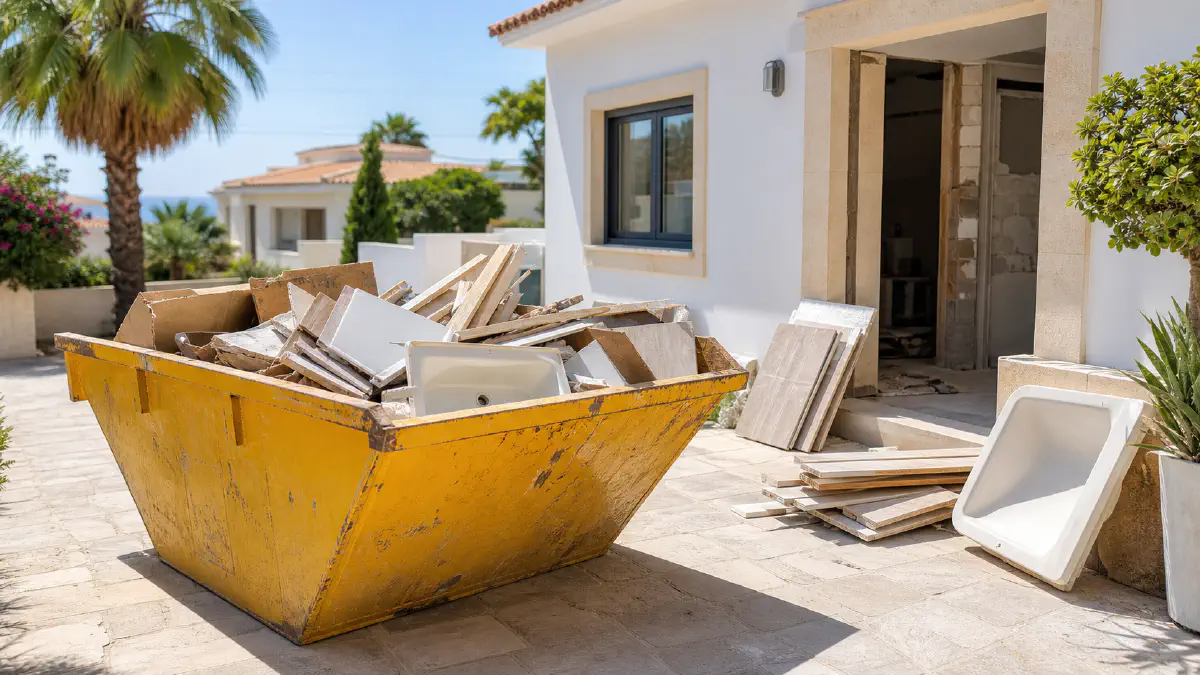
Renovating a home in Cyprus can be exciting, but it also creates a lot of waste. Old tiles, broken cupboards, bathroom fittings, rubble, timber, packaging, doors, flooring, plaster and general rubbish can build up faster than expected. Without a clear waste removal plan, a renovation site can quickly become cluttered, unsafe and difficult to work in.
Skip hire is one of the most practical ways to manage waste during a home renovation. Whether you are updating a small apartment in Nicosia, refurbishing a villa in Paphos, renovating a townhouse in Limassol or improving a holiday property in Protaras, having a skip on site gives you a central place to collect waste as the work progresses.
A well-planned skip hire arrangement can save time, reduce disruption and help keep the renovation moving smoothly.
Why Waste Planning Matters During a Renovation
Many people underestimate how much waste a renovation produces. Even a small bathroom refit can create bags of tiles, ceramics, broken fittings, plaster, packaging and offcuts. A full kitchen replacement or property refurbishment can generate several different types of waste at the same time.
Planning waste removal before the work begins helps avoid common problems such as:
- Waste blocking entrances, driveways or shared access areas
- Workers losing time moving rubbish around the site
- Unsafe piles of rubble, nails, tiles or broken materials
- Repeated trips to dispose of waste
- Delays while waiting for waste to be cleared
- Neighbours being affected by mess or blocked access
In Cyprus, where many homes are close together in residential areas, apartment blocks, villages and busy coastal towns, keeping renovation waste controlled is especially important.
Common Waste from Home Renovations
Home renovation waste can vary depending on the type of project. A light refresh will create different waste from a structural renovation or a full property refurbishment.
Common renovation waste includes:
- Old kitchen cabinets
- Worktops
- Sinks and taps
- Bathroom suites
- Toilets, basins and shower screens
- Ceramic tiles
- Floor tiles
- Bricks and blocks
- Concrete and rubble
- Plaster and plasterboard
- Timber and wood
- Doors and frames
- Laminate, vinyl or wooden flooring
- Metal pipes and fittings
- Plastic pipes
- Packaging materials
- Cardboard
- Old wardrobes and shelving
- General household waste
Some waste is bulky, while other waste is heavy. This distinction matters when choosing a skip because a skip filled with furniture is very different from a skip filled with rubble, concrete and tiles.
Renovating Different Types of Homes in Cyprus
Cyprus has a wide mix of property types, and each one presents different skip hire challenges.
Apartment Renovations
Apartment renovations are common in cities such as Nicosia, Limassol, Larnaca and Paphos. These projects often involve limited access, shared entrances, lifts, underground parking or narrow streets outside the building.
For apartment renovations, it is important to think about how waste will be moved from the property to the skip. If contractors need to carry waste through shared areas, those areas should be protected and kept clear. Skip placement should also avoid blocking neighbours, parking spaces or building entrances.
Townhouses and Terraced Homes
Townhouses and older terraced-style properties can have limited frontage or shared access. In some residential areas, especially around older neighbourhoods, there may not be much space directly outside the property.
For these homes, a smaller or medium skip may be more practical than a large skip. It is also worth planning the timing of delivery and collection so the skip does not sit in a difficult location longer than necessary.
Detached Homes and Villas
Detached houses and villas often offer more space for skip placement, especially if there is a driveway, garden or private land. This can make waste management easier, particularly during larger refurbishments.
However, villa renovations can create large amounts of mixed waste, especially when outdoor areas, pools, patios, pergolas, stonework, kitchens and bathrooms are being updated at the same time. In these cases, it may be better to plan waste removal in stages rather than relying on a single collection at the end.
Holiday Homes and Rental Properties
Holiday lets and rental properties often need fast turnaround work. Waste from furniture replacement, bathroom updates, repainting and general repairs needs to be removed quickly so the property can be cleaned and prepared for use.
For landlords and property managers, skip hire can help keep renovation and maintenance work organised, especially when several properties are being upgraded in different areas.
Older Village Properties
Traditional homes in villages can involve stone, concrete, timber, tiles and older construction materials. Access may be more difficult because village roads can be narrow, steep or unsuitable for larger vehicles.
If you are renovating a village property, it is important to think about access before booking a skip. The nearest suitable placement point may not be directly outside the property, so waste movement should be planned in advance.
Local Considerations Across Cyprus
Skip hire for renovation projects can differ depending on where the property is located.
Nicosia
In Nicosia, many renovations involve apartments, townhouses, older homes and commercial-to-residential upgrades. Access and parking can be challenging in central areas, so skip placement should be planned carefully. For suburban homes, driveways and private land may make skip delivery easier.
Limassol
Limassol has a mix of high-rise apartments, older town properties, luxury developments and coastal homes. Renovation projects may face limited access in busy areas, especially where parking is tight or traffic is heavy. Larger villa renovations outside the centre may allow more space for skips and staged waste removal.
Larnaca
Larnaca includes apartments, family homes, older properties and coastal rentals. Renovation waste from kitchens, bathrooms, flooring and holiday accommodation upgrades is common. In busier areas near the seafront or town centre, access and timing should be considered.
Paphos
Paphos has many villas, holiday homes, rental properties and residential developments. Renovations often include both indoor and outdoor waste, such as tiles, garden materials, old furniture, patios and poolside upgrades. Larger properties may have space for skips, but rural or hillside access should still be checked.
Famagusta, Ayia Napa and Protaras
In the Famagusta district, including Ayia Napa and Protaras, many properties are holiday homes, villas, apartments and hospitality-related buildings. Renovation work may be seasonal, with owners wanting projects completed before the busy tourist months. Skip hire can help clear waste quickly and keep sites tidy during tight project schedules.
Villages and Rural Areas
In rural Cyprus, access is often the main consideration. Narrow roads, tight corners, uneven ground and limited turning space can affect skip delivery. For renovations in villages, it is helpful to provide clear access details when arranging waste removal.
Choosing the Right Skip Size for Renovation Waste
Skip sizes in Cyprus are usually measured in cubic metres, written as m3. A cubic metre is a measure of volume. As a simple guide, one cubic metre is roughly a space one metre wide, one metre deep and one metre high.
Choosing the right skip size depends on several factors:
- The size of the renovation
- The type of waste being removed
- Whether the waste is heavy or bulky
- How much space is available for the skip
- Whether the project will produce waste in stages
- How easy it is for a delivery vehicle to access the property
For a small bathroom update or minor DIY work, a smaller skip may be enough. For kitchen replacements, flooring removal or apartment renovations, a medium skip is often more practical. For major refurbishments, heavy rubble or full property clearances, a larger or more robust skip may be needed.
If you are unsure, it is usually better to describe the project and waste type rather than guessing purely by size.
Heavy Waste vs Bulky Waste
One of the most important decisions during a renovation is whether the waste is mainly heavy, bulky or mixed.
Heavy renovation waste includes:
- Rubble
- Concrete
- Bricks
- Blocks
- Roof tiles
- Floor tiles
- Ceramic tiles
- Stone
- Soil
- Sand
Bulky renovation waste includes:
- Kitchen cupboards
- Wardrobes
- Doors
- Timber
- Packaging
- Furniture
- Carpets
- Plastic
- Cardboard
Heavy waste can quickly make a skip difficult or unsafe to lift if the wrong size is chosen. Bulky waste takes up more space but may not weigh as much. A large skip may be suitable for furniture and packaging, but not necessarily for a full load of concrete, soil or rubble.
For mixed renovations, it may be useful to separate heavy materials from lighter bulky waste where possible. This helps with safer loading and more efficient disposal.
Where Should You Place a Skip?
Skip placement is a key part of renovation planning. The best location is usually somewhere that is safe, accessible and close enough to the work area.
Common skip placement options include:
- Private driveways
- Front yards
- Construction areas
- Private land next to the property
- Designated parking areas
- Shared access areas, where permitted
Before choosing a location, consider whether the skip will block:
- Neighbours
- Pavements
- Entrances
- Garages
- Delivery routes
- Emergency access
- Parking spaces
- Site access for tradespeople
For apartment blocks or shared buildings, it is also wise to check with building management or neighbours before placing a skip in a communal area.
What Can Go in a Renovation Skip?
Most non-hazardous renovation waste can usually go in a skip.
Common accepted materials include:
- Tiles
- Bricks
- Concrete
- Rubble
- Timber
- Doors
- Old kitchen units
- Bathroom fittings
- Flooring
- Metal
- Plastic
- Cardboard
- Packaging
- Garden waste
- General household waste
However, each project is different, and some materials may need special handling. If you are unsure about a particular item, it is best to ask before loading it.
What Should Not Go in a Skip?
Some items should not be placed in a standard renovation skip because they may be hazardous, difficult to process or require specialist disposal.
Restricted items may include:
- Asbestos
- Chemicals
- Solvents
- Wet paint
- Gas bottles
- Batteries
- Tyres
- Fridges and freezers
- Electrical appliances
- Air-conditioning units
- Medical waste
- Oil, fuel or other liquids
- Hazardous materials
Renovation projects sometimes uncover unexpected materials, especially in older properties. If you come across anything suspicious, such as asbestos-containing material, stop work and seek specialist advice before moving or disposing of it.
Tips for Using a Skip During a Renovation
A skip is most useful when it is planned properly. Good planning helps keep the project organised and avoids unnecessary disruption.
Useful tips include:
- Arrange skip hire before demolition or strip-out work begins.
- Choose the skip based on waste type, not just project size.
- Keep heavy materials evenly distributed.
- Do not fill the skip above the sides.
- Break down bulky items to save space.
- Keep hazardous or restricted items separate.
- Make sure the skip remains accessible for collection.
- Avoid blocking neighbouring properties or shared access.
- Plan extra collections for larger renovations.
- Communicate clearly with tradespeople about what can go in the skip.
For bigger projects, it may be better to use more than one skip over the course of the renovation. For example, one collection may be needed after demolition, followed by another after fitting, packaging and final clearance work.
When Should You Book Skip Hire?
The best time to arrange skip hire is before the main renovation work begins. Once demolition, stripping or removal starts, waste appears immediately. Having a skip ready prevents materials from piling up around the property.
For larger renovations, think about the project timeline. Waste is usually created in stages:
- Strip-out and demolition
- Structural or building work
- Installation of kitchens, bathrooms, flooring or fittings
- Packaging and final clear-out
Each stage may produce different types of waste. Planning for these stages helps keep the site cleaner and avoids delays.
Skip Hire for Homeowners, Landlords and Contractors
Different people use skip hire in different ways during renovation projects.
Homeowners often need skips for one-off improvements such as bathrooms, kitchens, flooring and garden upgrades.
Landlords may need skip hire between tenancies, especially when replacing furniture, clearing old items or upgrading rental properties.
Property managers may need waste removal for multiple homes, apartments or holiday lets.
Contractors and tradespeople often use skips to keep sites clean, remove rubble and maintain safer working conditions.
In each case, the goal is the same: remove renovation waste efficiently so the project can continue without unnecessary mess or delay.
Responsible Renovation Waste Removal in Cyprus
Responsible waste management is an important part of modern renovation work. Construction and renovation materials should be handled properly, and restricted items should not be mixed with general waste.
Good skip hire practices help:
- Keep renovation sites safer
- Reduce fly-tipping
- Improve waste sorting
- Support cleaner neighbourhoods
- Make projects more efficient
- Reduce disruption to neighbours and local communities
Whether the project is in a city, coastal town, village or rural area, proper waste planning reflects well on homeowners, landlords and contractors.
Final Thoughts
Skip hire is not just something to arrange at the last minute. It is an important part of planning a successful home renovation in Cyprus.
From apartments in Nicosia and Limassol to villas in Paphos, homes in Larnaca, holiday properties in Protaras and village houses across the island, every renovation project needs a practical waste removal plan.
By choosing the right skip size, considering access, separating restricted items and planning collections around the project schedule, you can keep your renovation safer, cleaner and more efficient.
For any home renovation in Cyprus, good waste management starts before the first tile, cupboard or wall is removed.