Blog
What Can You Put in a Skip?
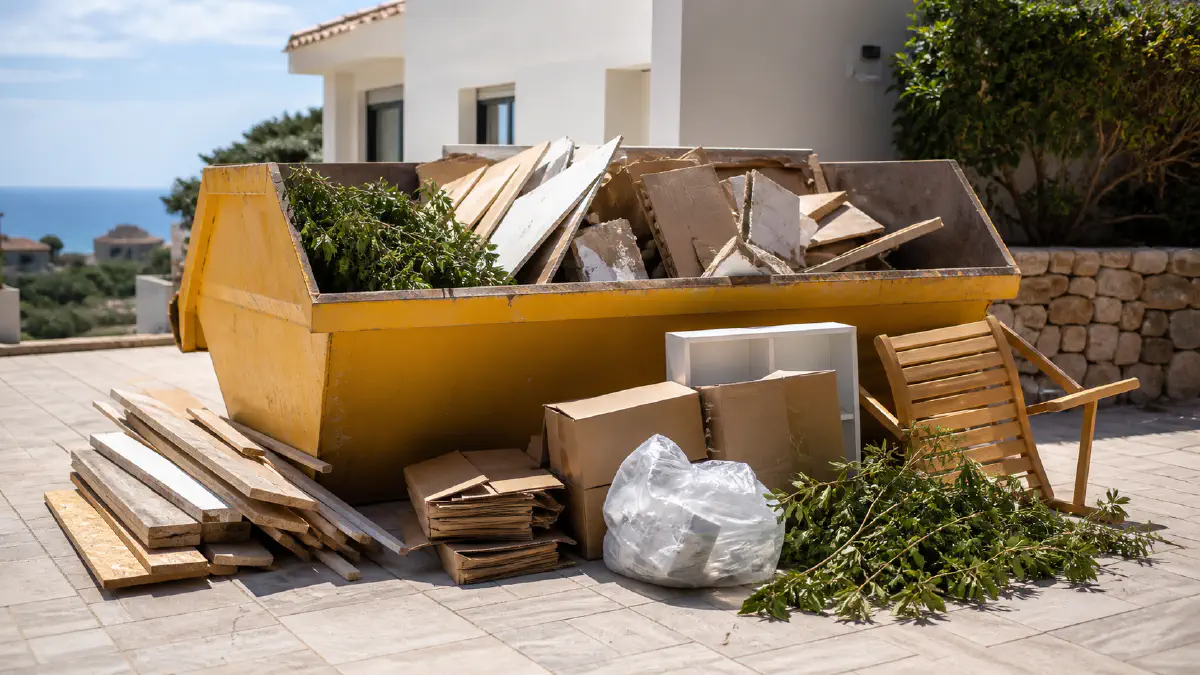
Hiring a skip is one of the easiest ways to remove unwanted waste from your home, garden, renovation project, construction site or business premises. Whether you are clearing out an apartment, updating a kitchen, landscaping a garden or managing building waste, a skip gives you a simple place to collect everything ready for removal.
However, not everything can go in a skip. Some materials are safe and accepted, while others need special handling or separate disposal. Knowing what you can and cannot put in a skip helps you avoid delays, extra charges and problems on collection day.
This guide explains the most common items you can place in a skip, the materials that are usually restricted and how to choose the right skip service for your project in Cyprus.
Why It Matters What You Put in a Skip
Skips are designed for many types of general, garden, renovation, construction and commercial waste. But some items are hazardous, difficult to process or need to be disposed of separately.
Putting the wrong items in a skip can cause several problems:
- The skip may not be collected until restricted items are removed.
- Hazardous materials can create health and safety risks.
- Some waste may damage the environment if not handled correctly.
- Heavy materials can make the skip unsafe to lift or transport.
- Certain items may require specialist disposal.
Most general non-hazardous waste is suitable for skip hire, but it is always worth checking before throwing away unusual items.
General Household Waste
For most home clearances, skips are a convenient solution. If you are decluttering a house, clearing a storage room, emptying a garage or preparing a rental property, a skip can take a wide range of everyday household waste.
You can usually put the following household items in a skip:
- General household rubbish
- Old furniture
- Broken chairs and tables
- Wardrobes and cupboards
- Non-electrical fittings
- Toys and household items
- Carpets and rugs
- Curtains and soft furnishings
- Plastic items
- Cardboard and packaging
- Wood and timber
- Metal items
This type of waste is ideal for mini skips, midi skips or large skips, depending on how much you need to clear. For a small apartment or room clear-out, a mini or midi skip may be enough. For a full house clearance, a larger skip may be more practical.
Garden Waste
Garden projects can create more waste than expected, especially in Cyprus where outdoor spaces, courtyards and rental properties often need seasonal maintenance.
You can usually put the following garden waste in a skip:
- Grass cuttings
- Leaves
- Weeds
- Branches
- Hedge trimmings
- Plants
- Small tree cuttings
- Old garden furniture
- Fence panels
- Soil, in suitable quantities
A mini skip may be enough for a small garden tidy-up, while a midi skip or large skip may be better for bigger landscaping work. If you are removing heavy soil, stone or paving, let the skip hire company know before booking. Heavy waste can quickly affect the safe lifting weight of the skip.
Renovation and DIY Waste
Home renovations are one of the most common reasons people hire skips. Whether you are updating a bathroom in Limassol, renovating an apartment in Nicosia or improving a holiday property near the coast, a skip can help keep the site tidy and safe.
You can usually put the following renovation waste in a skip:
- Old kitchen units
- Bathroom fittings
- Tiles and ceramics
- Wood and timber
- Doors and frames
- Plaster
- Non-hazardous insulation
- Metal pipes and fittings
- Plastic pipes
- Old cupboards
- Flooring materials
- Broken fixtures and fittings
For small DIY work, a midi skip may be suitable. For larger renovations, a builders skip is often the better choice, especially if the job includes heavier materials such as tiles, concrete, bricks or rubble.
Construction and Building Waste
Building projects create heavy waste, so choosing the right skip is important. Construction waste should be loaded carefully and kept within safe weight limits.
You can usually put the following building materials in a skip:
- Rubble
- Bricks
- Blocks
- Concrete
- Roof tiles
- Ceramic tiles
- Sand
- Stone
- Soil
- Hardcore
- Timber
- Metal
- Non-hazardous construction waste
A builders skip is usually the best option for construction waste because it is designed for heavier materials. If you are working on a construction site, property refurbishment or structural renovation, it is important to tell the skip hire company what type of waste you expect to produce.
Heavy materials should not usually be placed in very large skips unless the skip hire company confirms it is suitable. A large skip filled with rubble, concrete or soil may become too heavy to lift safely.
Bulky Waste
Bulky waste takes up a lot of space but is not always extremely heavy. This makes it different from rubble, soil or concrete.
You can usually put bulky waste in a skip, including:
- Sofas
- Tables
- Chairs
- Wardrobes
- Bed frames
- Mattresses, if accepted by the provider
- Carpets
- Shelving
- Wooden furniture
- Large plastic items
- Packaging materials
For bulky household clearances, a large skip is often the most convenient option. It provides more volume for furniture and oversized items. However, it is still important not to fill the skip above the sides, as overfilled skips may not be collected.
Commercial Waste
Skips are not only for homes and construction sites. They are also useful for businesses across Cyprus, including shops, offices, cafes, restaurants, warehouses and hospitality premises.
Commercial skips can usually be used for:
- Office furniture
- Shop fittings
- Packaging waste
- Cardboard
- Plastic
- Wood
- General business waste
- Refurbishment waste
- Non-hazardous stockroom waste
- Warehouse clearance waste
Commercial skip hire is ideal for businesses that need one-off waste removal during a refurbishment, move or clear-out. It can also be useful for ongoing waste management where larger volumes of waste are produced.
What Can’t You Put in a Skip?
Some items should not be placed in a skip because they are hazardous, require specialist disposal or may be harmful to people or the environment. Skip hire providers often vary in exactly what they accept, so customers should always check first.
Items that are usually not allowed in a skip include:
- Asbestos
- Chemicals
- Solvents
- Gas bottles
- Batteries
- Tyres
- Fridges and freezers
- Electrical appliances
- Paint tins containing wet paint
- Medical waste
- Fluorescent tubes
- Oil, fuel or other liquids
- Hazardous materials
If you have any of these items, ask the skip hire company for advice. They may be able to suggest the correct disposal route or recommend a specialist collection service.
Can You Put Electrical Items in a Skip?
Electrical items are often restricted because they may need to be recycled separately. This can include:
- Fridges
- Freezers
- Washing machines
- Televisions
- Computers
- Microwaves
- Small appliances
- Air-conditioning units
If you are clearing a home, apartment, office or commercial property and have electrical items to dispose of, check before loading them into the skip. In many cases, they need to be handled separately from general waste.
Can You Put Paint in a Skip?
Empty, dry paint tins may sometimes be accepted, but tins containing wet paint are usually restricted. Wet paint can leak, spill and cause problems during transport and disposal.
If you have paint tins, check whether they are empty and dry before placing them in the skip. If they still contain liquid paint, ask the skip hire company what to do with them.
Can You Put Soil and Rubble in a Skip?
Yes, soil, rubble, bricks, tiles, concrete and stone can usually go in a skip, but they are heavy materials. This means the type and size of skip matters.
For heavy waste, a builders skip is normally the most suitable option. Smaller or medium-sized skips are often safer for dense materials because they are easier to lift and transport within weight limits.
If you are disposing of heavy waste, tell the skip hire company before booking. This helps ensure you receive the right skip for the job.
Choosing the Right Skip Service for Your Waste
The right skip depends on the type and amount of waste you have.
A mini skip is best for small household jobs, light garden waste and minor decluttering.
A midi skip is ideal for bathroom refits, apartment clearances, garage clearances and small renovation projects.
A builders skip is the best option for construction waste, rubble, concrete, tiles, bricks and refurbishment projects.
A large skip is useful for bulky household waste, furniture, packaging, large clearances and bigger renovation jobs.
Commercial skip hire is suitable for offices, shops, warehouses, hospitality businesses and other commercial premises that need efficient waste removal.
If you are unsure, it is better to ask before booking. The right advice can save you from ordering the wrong skip or having restricted materials left behind.
Local Cyprus Considerations
When hiring a skip in Cyprus, it is also important to think about location and access. Waste removal needs can vary depending on whether you are in a city centre, coastal area, village, apartment block or construction site.
Before booking, consider:
- Is there enough room for the skip?
- Can the delivery lorry access the road safely?
- Is the property in a narrow village street?
- Will parked cars block delivery or collection?
- Is the skip going near an apartment building?
- Is the site close to a busy shopfront, cafe or tourist area?
- Are you disposing of heavy materials such as stone, soil or tiles?
Giving these details when booking helps the skip hire company recommend the best skip service for your property and project.
Tips Before Loading Your Skip
To make the most of your skip and avoid problems, follow a few simple steps before loading:
- Check whether unusual items are allowed.
- Keep hazardous materials out of the skip.
- Break down bulky furniture where possible.
- Load heavier items first.
- Do not fill the skip above the sides.
- Avoid mixing restricted items with general waste.
- Tell the skip hire company if you have rubble, soil, concrete or tiles.
- Choose the skip size based on both volume and weight.
Good loading makes collection easier and helps you use the available space more efficiently.
Need Advice Before Booking?
Most general household, garden, renovation, construction and commercial waste can go in a skip, but hazardous and specialist items usually need separate disposal. If you are clearing a home, renovating a property, managing a building site or removing waste from business premises, choosing the right skip service will save time, money and hassle.
For small jobs, a mini skip or midi skip may be enough. For renovation and construction waste, a builders skip is often the best choice. For bulky clearances or business waste, a large skip or commercial skip hire service may be more suitable.
If you are not sure what can go in your skip, contact Skip Hire Cyprus before booking. The team can advise you on the right skip for your waste type, property access and project size.